
Since the beginning of the year, scrap collection has shown a record increase
12.03.2021
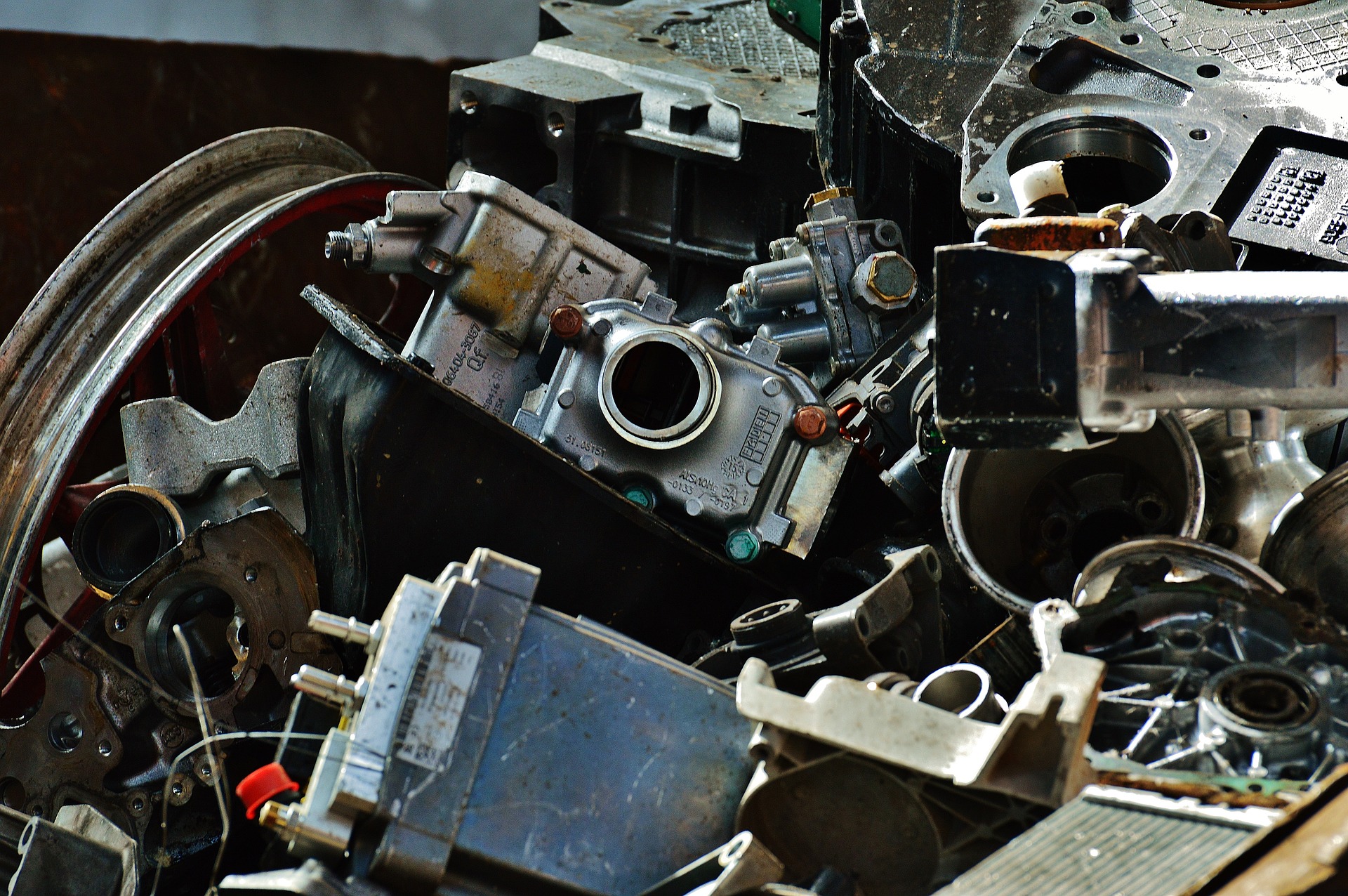 The beginning of the year brought positive news to the scrap procurement market. In just two months, the scrap collection rate increased by 49.2% - up to 639.2 thousand tons.In particular, in January scrap collection amounted to 318 thousand tons, in February – 321.2 thousand tons.
Such dynamics is associated with the growth of world and domestic prices for raw materials. True, by the 20th of February, prices on the domestic market have significantly decreased in relation to the world market (by 25% – to UAH 6.8 thousand per ton), which remain at a fairly high level, contrary to the expectations of experts.
The difference between domestic and world prices, exceeding $ 110 per ton (the minimum level of difference for export), allowed a number of domestic operators to increase the export of raw materials. External supplies of scrap metal in January-February increased 2.8 times – up to 30.2 thousand tons, and in January exports amounted to 19 thousand tons, in February – 11 thousand tons.
First of all, this happened due to the fact that Ukrainian companies can export scrap to Turkey, which consistently demonstrates high production indicators. Thus, in January, steel production in Turkey increased by 12.7% - up to 3.4 million tons, which required an increase in scrap metal imports by 18.4% – up to 2 million tons. steel in Turkey, according to local industry organizations, may reach 38 million tons (+ 6%).
In the future, the scrap collection industry will develop under the influence of a combination of external and internal factors. External positive factors include a high level of prices for raw materials, China's decision to start importing scrap, etc.
Internal factors are persistently trying to return the industry to a state of stagnation. The metallurgical lobby has already prepared a bill to extend the scrap export duty of 58 euros per tonne for another 5 years. According to the lobbyists, this is necessary to "normalize the situation with the provision of raw materials for metallurgical enterprises."
True, it is not entirely clear what kind of normalization we are talking about. After the introduction of duties in 2016, the volume of scrap procurement began to decline. Nevertheless, there is currently no shortage of raw materials in the country. As there are no significant prospects for increasing steel production, and, accordingly, scrap consumption.
Lobbyists also talk about the need to attract investment in the scrap collection industry. However, it is precisely because of the duty that such investments will never come. None of the new investors want to work in a tightly regulated market. Moreover, since 2015, the number of companies operating in the scrap market has halved.
With the help of the duty, metallurgical enterprises provide themselves with a competitive advantage in the form of cheap raw materials. At the same time, they do not need to modernize capacities and look for ways to reduce the cost of their products, which allows metallurgists to receive unjustifiably high profits for the market.
The extension of this protective measure will lead to a further drop in scrap collection and, in the long term, to a shortage of raw materials for metallurgical enterprises. As a result, metallurgists will have to import scrap or raise domestic purchase prices, which will stimulate the growth of scrap collection.